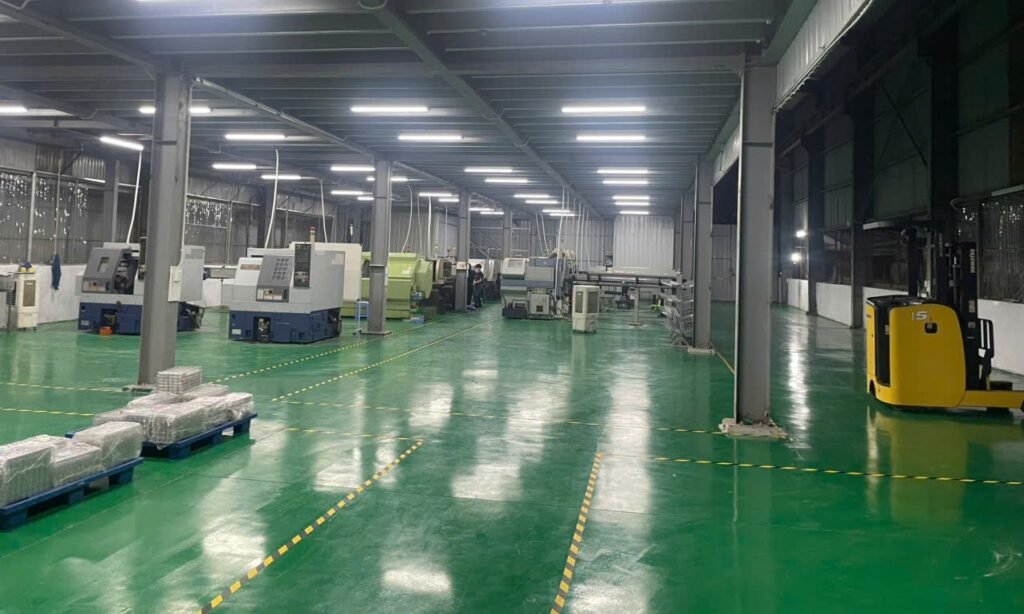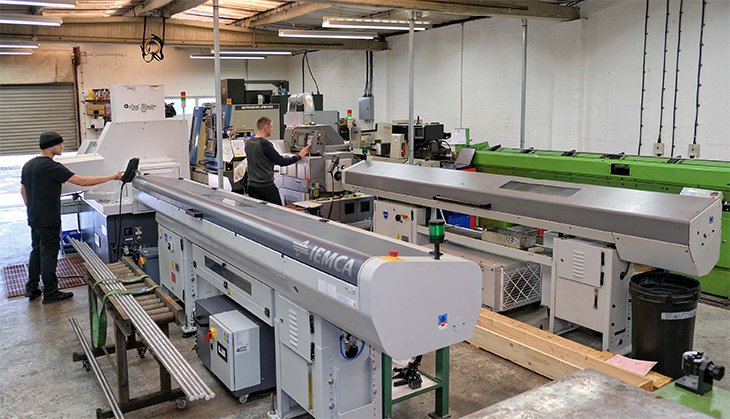
Precision machining in Vietnam is becoming a practical sourcing route for companies that need custom components with controlled dimensions, dependable documentation, and responsive communication. Precision is not simply a claim about tight tolerances. It is the result of matching equipment, workholding, material, programming, inspection, and production control to the functional needs of each part.
Define what precision means for your component
A successful project starts by identifying the dimensions that affect fit and performance. These may include bearing bores, locating holes, thread positions, sealing faces, shaft diameters, or the relationship between several features. State the key datums and use a clear tolerance strategy. General dimensions can follow a reasonable standard, while functional dimensions receive the closer tolerance that the assembly requires.
Over-specification is a common source of unnecessary cost. When every dimension is treated as critical, machining and inspection become slower without automatically improving product performance. A focused drawing helps the supplier direct attention and measurement resources toward the features that matter.
Use material information that supports quality
Material grade and condition influence machining behaviour, finish, and final performance. Aluminium, carbon steel, stainless steel, brass, titanium, and engineering plastics all need different tooling and processing approaches. A clear RFQ should state the grade, required certificates, heat treatment condition, and any finish such as anodizing, plating, passivation, or powder coating.
Where a part will be heat-treated or coated, specify whether dimensions apply before or after the process. This is especially important for threaded features, close-fit holes, and sealing surfaces. Planning the sequence early protects final accuracy.
Consider the machining setup
Every setup has an effect on cost and accuracy. A component that can be machined from one or two stable clamping positions is generally easier to control than a part requiring repeated reorientation. Give the machining team accessible surfaces for clamping and avoid fragile walls where possible. If important features are located on different faces, show the datum relationship so the process can preserve it.
Complex components may combine CNC milling, turning, wire EDM, grinding, and finishing. The best route is selected by the feature, material, quantity, and tolerance rather than by a single process label. A manufacturability review before release can reveal a simpler or more stable sequence.
Make inspection expectations clear
Precision machining needs an inspection plan proportionate to the part. For prototypes and critical components, buyers may request a first-article inspection report that records key dimensions against the drawing. For production orders, sampling, gauge strategy, and traceability may be agreed in advance. Communicating these needs early prevents avoidable delays after parts are complete.
It is also useful to state how the component will be used. Information about mating parts, loading, sealing, motion, and corrosion exposure helps the supplier identify risks that a drawing alone may not show.
Send a complete RFQ
For precision machining in Vietnam, provide a PDF drawing, 3D model, quantity, material and finish, tolerance notes, inspection needs, target delivery, and any packaging requirements. AMS Engineering Vietnam supports buyers with manufacturability feedback and coordinated production, helping custom parts meet functional requirements with a practical balance of accuracy, lead time, and total cost.
Related Categories: CNC Manufacturing