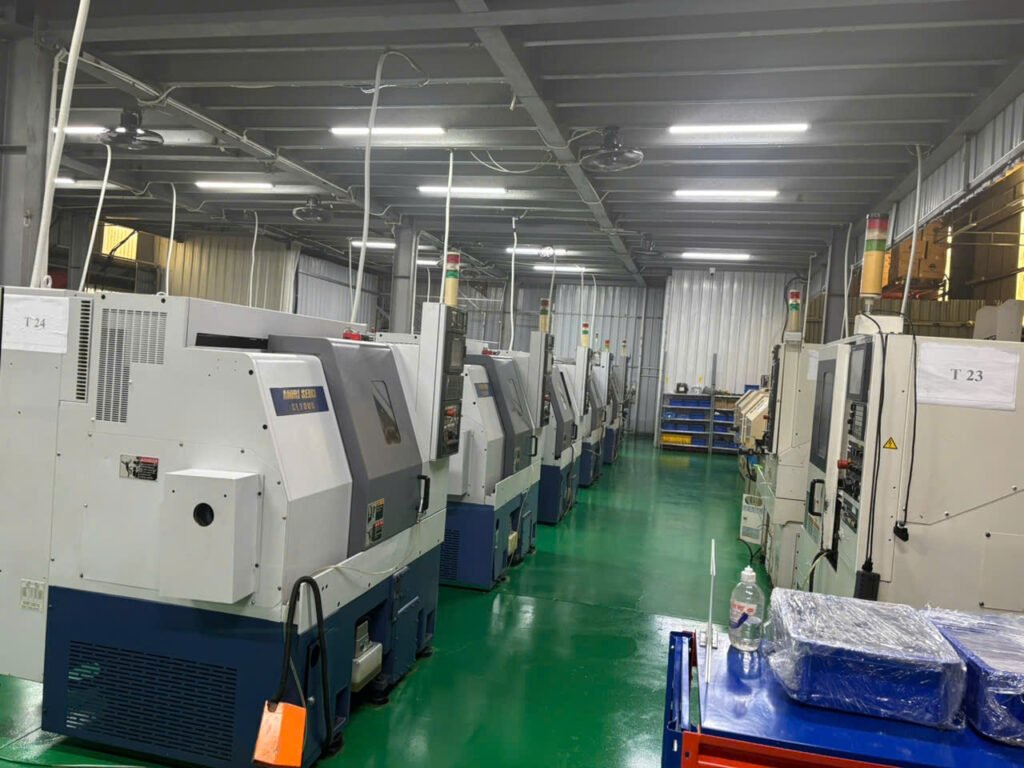
Precision Machining in Vietnam: What Buyers Should Evaluate Before Ordering Custom Parts
Precision machining is often discussed as if it were a single capability. In practice, it is a controlled process that connects design data, material selection, machine capacity, workholding, measurement, finishing, and shipping. Buyers who understand those connections can compare suppliers more effectively and avoid expensive changes after production begins.
Begin with the part function
A productive conversation starts with how the part will be used. Is it a one-off prototype, a component for validation, or a repeat-production part? Does it locate another component, carry a load, seal against a surface, or provide a cosmetic exterior? The functional role tells the machining team which dimensions are important and where a practical tolerance plan is needed.
For example, a tightly controlled bore may matter more than an external non-mating surface. A clear drawing that identifies datums, critical dimensions, threads, and inspection points allows the supplier to choose suitable setups before cutting material. It also makes quote comparisons more meaningful because every shop is responding to the same requirements.
Assess the manufacturing route
Precision machining in Vietnam can include CNC milling, turning, drilling, grinding, wire EDM, and secondary processes. The best route depends on the geometry and tolerance requirements. A prismatic aluminum housing may be most efficient on a multi-axis machining center. A round shaft may need turning before milling features. Hardened tool-steel parts may require wire EDM or grinding to achieve fine details without excessive tool wear.
Ask a supplier to explain the planned manufacturing route. This is not a request for confidential programming information; it is a way to verify that the method matches the part. A supplier should be able to explain key workholding decisions, likely setup count, and any features that may create access or inspection risks.
Check material traceability and finishing
Material is not simply a line on the purchase order. Alloy grade, temper, heat treatment condition, and certification requirements can all affect machining behavior. State whether mill certificates or material traceability are required. If approved equivalents are acceptable, identify them before quotation rather than after production has started.
Finishing needs the same attention. Anodizing, plating, bead blasting, passivation, and powder coating can change dimensions or require masking. Include the finish standard, color where relevant, visible surfaces, and surfaces that must remain uncoated. This information helps avoid surprises in both lead time and appearance.
Look beyond machine specifications
A supplier may list modern machines, but machine size alone does not prove repeatable precision. Ask about inspection planning, calibration, in-process checks, and final reporting. Coordinate measuring machines, height gauges, thread gauges, surface measurement tools, and documented work instructions all contribute to reliable output.
A useful quality plan matches the risk of the component. Critical prototype parts may need first-article inspection. Repeat-production components may need a sampling plan that monitors key features over time. The goal is not unnecessary paperwork; it is objective evidence that the supplied parts meet the agreed specification.
Plan communication and logistics
For overseas buyers, responsiveness matters alongside machining skill. Confirm the time zone overlap, quotation turnaround, revision-control process, production updates, packing method, and Incoterms. A Vietnamese machining partner should be able to clarify questions early and communicate any issue before it affects the promised delivery date.
Precision machining succeeds when technical requirements and commercial expectations are aligned. By evaluating capability, inspection, material control, finishing, and communication together, buyers can select a Vietnam supplier with greater confidence and build a reliable path from CAD model to delivered custom parts.
Related Categories: Precision Machining