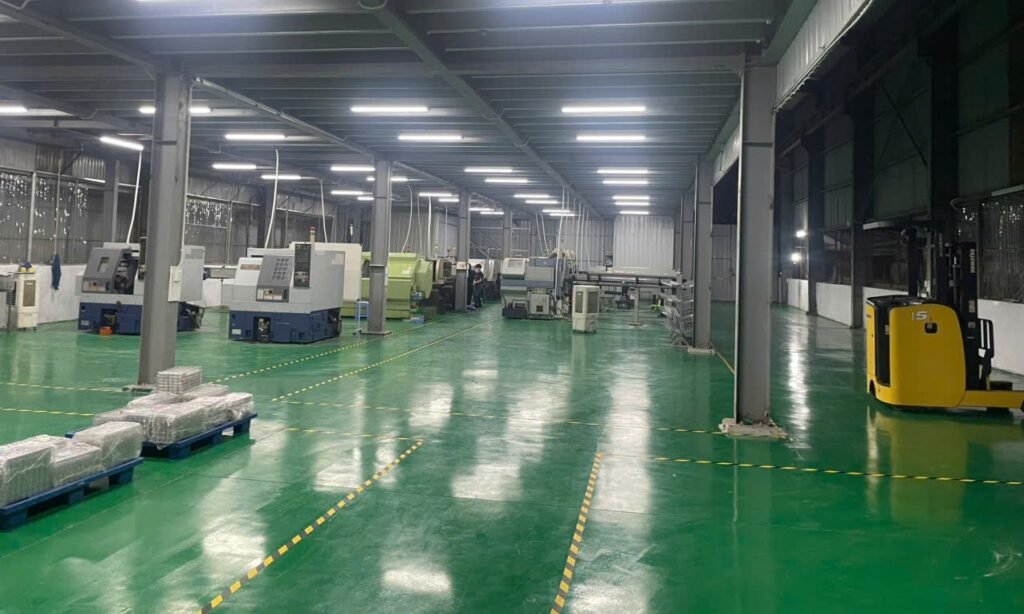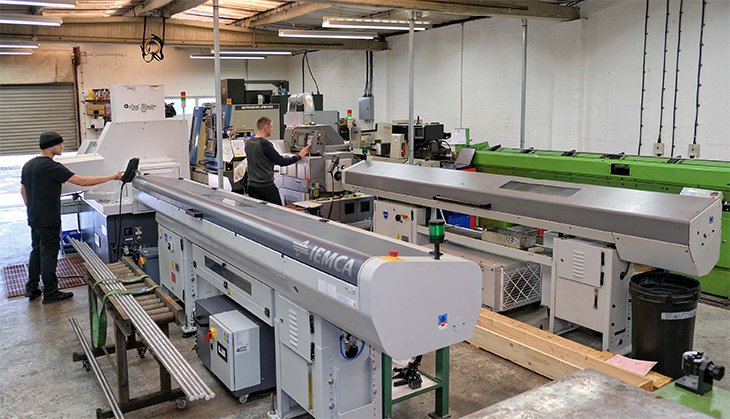
CNC machining stainless steel in Vietnam can give buyers durable, corrosion-resistant parts without making the sourcing process unnecessarily complex. Stainless steel is widely used for medical equipment, food-processing components, marine hardware, valves, fixtures, and industrial assemblies. Its strength and resistance to corrosion are valuable, but those properties also require a thoughtful machining plan. A well-prepared drawing and RFQ help a supplier select the right grade, cutting strategy, and inspection approach from the start.
Choose the stainless grade for the working environment
Not every stainless alloy solves the same problem. Grade 304 is a common choice for general corrosion resistance and fabricated parts. Grade 316 is often preferred when the component faces salt, chemicals, or more demanding outdoor exposure. Martensitic grades and precipitation-hardening alloys can be suitable when higher strength or wear resistance is required. The material callout should state the exact grade and condition when it affects machining, heat treatment, or certification.
Buyers should also consider the actual service environment. A decorative indoor enclosure, a wash-down machine component, and a part used near seawater may need very different grades. Choosing a more expensive alloy than necessary raises cost, while choosing an inadequate grade can create failure risk after installation.
Design features that machine reliably
Stainless steel tends to generate heat and can work-harden if the cutting process is not stable. Features should therefore allow rigid workholding and predictable tool access. Avoid very deep, narrow pockets where possible, and use realistic internal corner radii that match available cutters. If a pocket must have a sharp-looking internal corner, specify a small radius rather than an impossible zero-radius corner.
Thin walls need special attention because they can vibrate or move under cutting forces. A machining partner may recommend adjusting wall thickness, leaving support until the final operation, or changing the sequence of machining. These suggestions are not compromises in quality; they are practical ways to protect geometry and surface finish.
Set tolerances and surface finish by function
Critical surfaces deserve clear requirements. Bearing locations, sealing lands, mating faces, and threaded interfaces may need tighter tolerances than cosmetic or non-contact dimensions. Applying a close tolerance to every feature can increase cycle time, inspection time, and price without improving the product. Use a general tolerance standard for ordinary dimensions, then call out functional features separately.
Surface finish also affects performance. A smooth finish may be important for a seal, a sliding surface, or a cleanable food-processing part. Other external surfaces can retain a standard machined finish. If polishing, passivation, electropolishing, or bead blasting is required, identify it in the RFQ because finishing can change appearance and dimensions slightly.
Plan threads and post-machining processes early
Threaded holes and external threads should show the standard, size, pitch, and usable depth. For blind holes, provide enough drill depth beyond the full thread to accommodate the tap or thread mill. Stainless threads may need deburring or a lead-in chamfer to make assembly easier and reduce the chance of galling. Where repeated tightening is expected, a design review can identify suitable fits and lubricants.
Heat treatment, welding, and surface finishing should be considered before dimensions are finalized. Each operation can affect distortion, surface condition, or corrosion performance. Clear sequencing helps maintain critical tolerances.
Build a complete RFQ
For CNC machining stainless steel in Vietnam, send a PDF drawing, 3D model, grade and material condition, quantity, inspection requirements, finish, and target delivery date. Mention whether the order is a prototype, a bridge batch, or production. AMS Engineering Vietnam can review manufacturability before production so that buyers receive dependable stainless components with the right balance of precision, durability, and cost.
Related Categories: CNC Manufacturing